

Unlock a Treasured Family Secret: The Ultimate Guide to Authentic Capirotada (Mexican Bread Pudding)

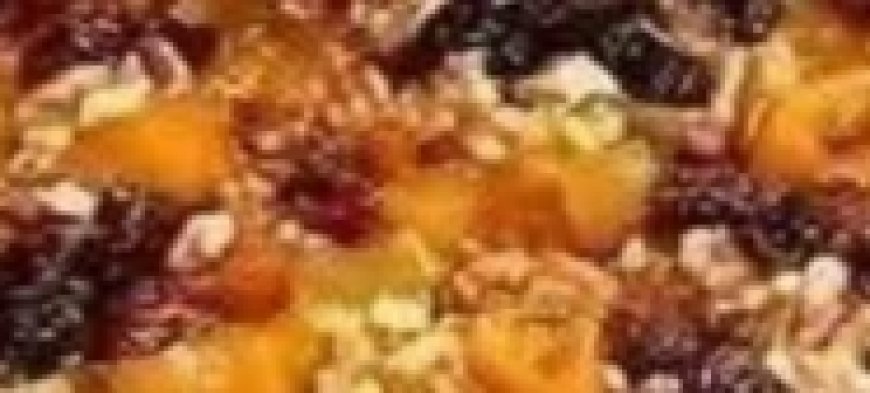
Close your eyes and imagine the warm, comforting aromas of cinnamon and cloves wafting from your grandmother’s kitchen. Picture a beautiful, bubbling dish emerging from the oven—a mosaic of golden bread, melted cheese, sweet raisins, and crunchy peanuts, all soaked in a rich, spiced piloncillo syrup. This isn’t just dessert; it’s a taste of history, a spoonful of nostalgia, and the heart of Mexican family gatherings, especially during Lent.
More than just a “Mexican bread pudding,” Capirotada is a symphony of textures and flavors that tells a story in every bite. It’s a beloved tradition that balances sweet and savory in a way that is utterly unique and profoundly delicious. If you’ve ever wanted to recreate that cherished family recipe or are curious to try this iconic dish for the first time, you’ve come to the right place.
This isn’t just a recipe—it’s a culinary heirloom, passed down through generations. We’re diving deep into the history, the symbolism, and the foolproof steps to creating a perfect, unforgettable Capirotada that would make any abuela proud.
What is Capirotada? More Than Just a Pudding
Before we preheat the oven, it’s essential to understand what makes Capirotada so special. At its core, it is a layered dessert, much like a bread pudding or strata, but its flavor profile is uniquely complex.
A Dish Steeped in Tradition and Symbolism
Capirotada is deeply associated with Lent and Easter in Mexico. Its preparation during this time is not just about taste; many families see symbolism in its ingredients:
The Bread: Represents the Body of Christ.
The Syrup: Symbolizes the blood of Christ, made with piloncillo, a raw form of cane sugar.
The Cloves: Signify the nails of the cross.
The Cinnamon Stick: Represents the wood of the cross.
The Cheese: A layer that signifies the Holy Shroud.
Beyond its religious significance, it is a masterpiece of sobremesa—the art of lingering at the table after a meal, sharing stories and bonding with family over a shared dessert.
Why This Authentic Capirotada Recipe is a Crowd-Pleaser
You might be wondering, “What does cheese taste like in a sweet dessert?” Trust the process! The cheese is the secret weapon. It doesn’t make the pudding taste “cheesy”; instead, it provides a subtle, savory creaminess that cuts through the sweetness and creates a magnificent, gooey texture that will completely change your perception of dessert.
Here’s what makes this recipe truly exceptional:
Perfect Texture Balance: We achieve the ideal contrast between soft, syrup-soaked bread and crispy, toasted top layers.
Depth of Flavor: The syrup isn’t just sweet; it’s spiced with cinnamon and cloves, creating a warm, aromatic base.
Customizable: While we provide the classic foundation, we’ll also give you popular regional variations so you can make it your own.
Make-Ahead Friendly: It tastes even better the next day, making it perfect for holidays and entertaining.
The magic of Capirotada comes from its specific ingredients. Don’t be tempted to make shortcuts with the syrup—it’s the soul of the dish.
The Foundation: Bread & Syrup
1 large Bolillo or Telera roll (or a small French baguette), cut into ½-inch slices. Stale, day-old bread is actually perfect here as it soaks up the syrup without becoming mushy.
1 large cone of Piloncillo (about 8-9 ounces). This is non-negotiable for an authentic flavor. Find it in the international aisle or at any Latin market. It provides a deep, molasses-like sweetness that granulated sugar can’t match.
2 cups of Water
1 large Cinnamon Stick (preferably Mexican canela)
4-5 whole Cloves
The Layering Stars: Texture & Complexity
1 cup of Monterey Jack Cheese, shredded. This is the classic choice, but we’ll explore other options.
½ cup of Raisins
½ cup of Roasted, Unsalted Peanuts
2 tablespoons of Unsalted Butter, for greasing the baking dish.
Your Foolproof, Step-by-Step Guide to Perfect Capirotada
Follow these steps carefully to build layers of flavor that will bake into a cohesive, breathtaking dessert.
Step 1: Toast the Bread to Perfection
Preheat your oven to 350°F (175°C).
Arrange your bread slices in a single layer on a baking sheet.
Toast for 10-15 minutes, flipping halfway, until they are dry and lightly golden. This step is crucial for creating a structure that can absorb the syrup without disintegrating. Remove and let them cool.
Step 2: Craft the Sacred Syrup (The Heart of the Dish)
In a medium saucepan, combine the water, piloncillo cone (broken into pieces), cinnamon stick, and cloves.
Bring to a simmer over medium heat, stirring occasionally until the piloncillo has completely dissolved.
Reduce the heat and let it simmer gently for 10-15 minutes. You’re aiming for a thin syrup that has reduced slightly and is intensely fragrant. Remove the cinnamon stick and cloves.
Step 3: The Art of Layering: Building Your Capirotada
Grease a 8×8 or 9×9 inch baking dish thoroughly with butter.
First Layer: Arrange a single layer of the toasted bread slices on the bottom of the dish. You may need to break some pieces to fit.
Second Layer: Sprinkle half of the raisins, half of the peanuts, and half of the shredded cheese evenly over the bread.
The Soak: Carefully spoon or ladle half of the warm piloncillo syrup over this first set of layers, ensuring every piece of bread gets some moisture.
Repeat: Create a second identical layer with the remaining bread, raisins, peanuts, and cheese.
The Final Soak: Pour the remaining syrup evenly over the entire dish.
Step 4: Baking to Golden, Bubbly Bliss
Cover the baking dish with aluminum foil.
Bake at 350°F (175°C) for 20 minutes.
Remove the foil and continue baking for another 10-15 minutes, or until the top is golden brown, the edges are crispy, and the syrup is bubbling around the sides.
Pro Chef Tips & Popular Regional Variations
Every family in Mexico has their own version. Here’s how to customize yours:
For a Richer Flavor: Add a sprinkle of shredded coconut or a few slices of ripe plantain between the layers.
A Different Cheese? Queso Fresco or Cotija are excellent, less-melty alternatives that provide a salty, crumbly contrast.
Nut Variations: Swap peanuts for pecans or walnuts for a more robust flavor.
The Secret Ingredient: Some families add a handful of prunes or dried apricots for a more complex fruitiness.
Pro Tip: Let the Capirotada rest for at least 20-30 minutes after pulling it from the oven. This allows the layers to set, making it easier to serve and ensuring the flavors have time to marry beautifully.
Serving and Storing Your Culinary Masterpiece
Serving: Serve it warm, either on its own or with a scoop of vanilla ice cream for a truly decadent experience. The contrast between the warm pudding and cold ice cream is sublime.
Storing: Cover leftovers tightly with plastic wrap and store in the refrigerator for up to 5 days. Reheat gently in the microwave or a low-temperature oven.
Conclusion: Keep the Tradition Alive
Capirotada is more than a recipe; it’s a connection to the past and a gift to the future. By taking the time to prepare this dish, you are participating in a rich cultural tradition and creating new memories with your loved ones.
So, gather your ingredients, fill your home with the scent of cinnamon and cloves, and prepare to share a dessert that is layered with love, history, and incredible flavor.
We’d love to hear from you! What family traditions does this recipe bring back for you? Do you have a unique ingredient in your family’s Capirotada? Share your stories and tips in the comments below—let’s keep this beautiful tradition alive together!
What's Your Reaction?