

Soursop Leaves: Nature’s Hidden Cancer Secret Revealed

Imagine holding a single, glossy green leaf in the palm of your hand, its veins throbbing with ancient tropical power, whispering promises of vanquishing one of humanity’s deadliest enemies overnight. This isn’t fantasy: it’s the intoxicating allure of soursop (Annona muricata), the spiky green fruit and its unassuming leaves that have sparked a global fascination. From lush rainforests to your kitchen counter, soursop seduces with hope, mystery, and a hint of danger. Dive in as we unravel its secrets, combining cutting-edge science, traditional wisdom, and practical precautions to keep you captivated from the first bite to the final revelation.
- Discovering Soursop: The Tropical Wonder Conquering the World
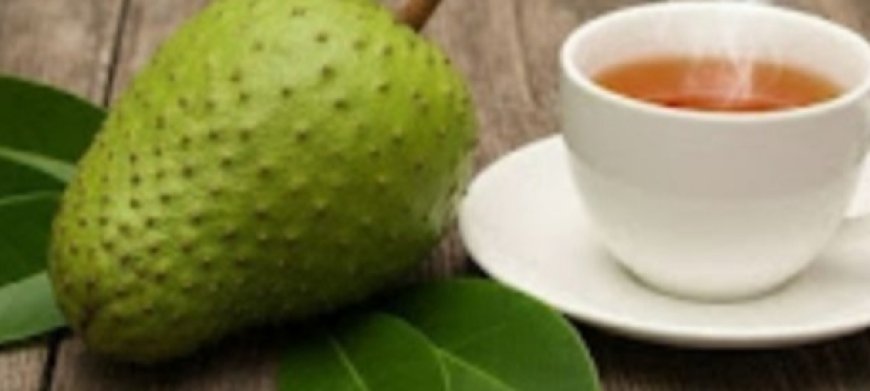
In the heart of Central America, South America, the Caribbean, Africa, and Southeast Asia, the soursop tree thrives as a resilient perennial. Scientifically known as Annona muricata, it produces heart-shaped leaves that shimmer in the sunlight and fruits that resemble a hybrid between a cherimoya and an annona: a green, spiny rind protecting a creamy white pulp bursting with a tangy sweetness.
Every part of this hardy plant has been prized for centuries. Indigenous healers prepare infusions from the leaves, extract juice from the pulp, and grind the seeds to make remedies. Its year-round fruiting in warm climates makes it a staple in tropical diets, but what’s truly astonishing? This explosive claim: a single leaf can eradicate cancer in just 24 hours. Imagine opening the fruit, with the seeds gleaming like hidden gems, and ask yourself: could this be nature’s greatest innovation?
- A Nutritional Treasure: Why Soursop Nourishes Body and Soul
Soursop isn’t just exotic; it’s an inexhaustible source of nutrients. This fruit is brimming with vitamin C, which strengthens the immune system; B vitamins, which provide energy; and powerful antioxidants that relentlessly combat free radicals. Acetogenins, unique compounds concentrated in the leaves and seeds, stand out as true stars: anti-inflammatory agents with potent antimicrobial properties.
Its traditional uses include pain relief, fighting infections, and relaxation. Enjoy a warm infusion of soursop leaves after a tiring day and feel the stress melt away. Or make a smoothie with the fruit: its burst of pineapple, strawberry, and mango flavor nourishes every cell. These benefits aren’t just a passing fad; They have their roots in generations of folk medicine and are now sparking modern curiosity.
- The Cancer Connection: Acetogenins’ Promising Attack on Tumors
Here’s where things get exciting: Acetogenins attack cancer cells with surgical precision. Lab studies reveal that they disrupt the production of ATP, the energy fuel that cancer feeds on, depriving malignant cells of energy and, in theory, preserving healthy ones. Early research highlights their potential against breast, prostate, colon, and pancreatic cancers.
Animal trials show tumor reduction and inhibition of metastasis. Imagine cancer cells succumbing to the attack of acetogenins, offering a natural alternative to aggressive chemotherapy. Preliminary data from the early 2000s sparked the interest of the pharmaceutical industry, as the extracts outperformed some drugs in vitro. This is not unfounded optimism; It’s science anticipating a revolution, inviting us to further explore the potential of soursop.
⚠️ Truths that invite reflection: Debunking the myth of the 24-hour miracle
However, let’s put aside the enthusiasm: that mantra of “one leaf kills cancer in 24 hours”? Pure sensationalism without human trials. No clinical trial validates instant cures; the evidence remains confined to Petri dishes and rodents. The complexity of cancer demands more than a simple leaf; it’s a multifaceted disease that requires a comprehensive approach.
The potency of acetogenins is a double-edged sword: they can also damage healthy cells. The seeds contain annonacin, a neurotoxin linked to Parkinson’s-like symptoms in cases of excessive consumption. If abused, it can cause nausea, vomiting, hypotension, or nervous problems. This striking leaf now symbolizes caution: its power must be respected, or there is a risk of turning an ally into an adversary.
What's Your Reaction?